Why Remi quizzes you instead of letting you reread
Rereading feels like studying. Testing yourself is what actually makes you remember. A short tour of the research behind every Remi session.
If you’ve ever reread a chapter and felt like you knew it, only to go blank in the exam, you’ve met one of the most reliable findings in learning research. Rereading builds familiarity. Familiarity feels like knowing. But it isn’t the same thing as being able to pull an idea out of your memory when you need it.
Remi is built around two techniques that close that gap.
1. Testing beats rereading
In a well-known 2006 study, Henry Roediger and Jeffrey Karpicke had students learn short prose passages. Some reread the passages; others took practice tests on them. On a test a few minutes later, rereading looked slightly better. But on tests two days and one week later, the students who had practiced recalling the material remembered substantially more.
The act of retrieving something changes it: each time you pull an idea out of memory, it gets easier to pull out next time. That’s why researchers call it retrieval practice, and why the “testing effect” is one of the most replicated results in the field.
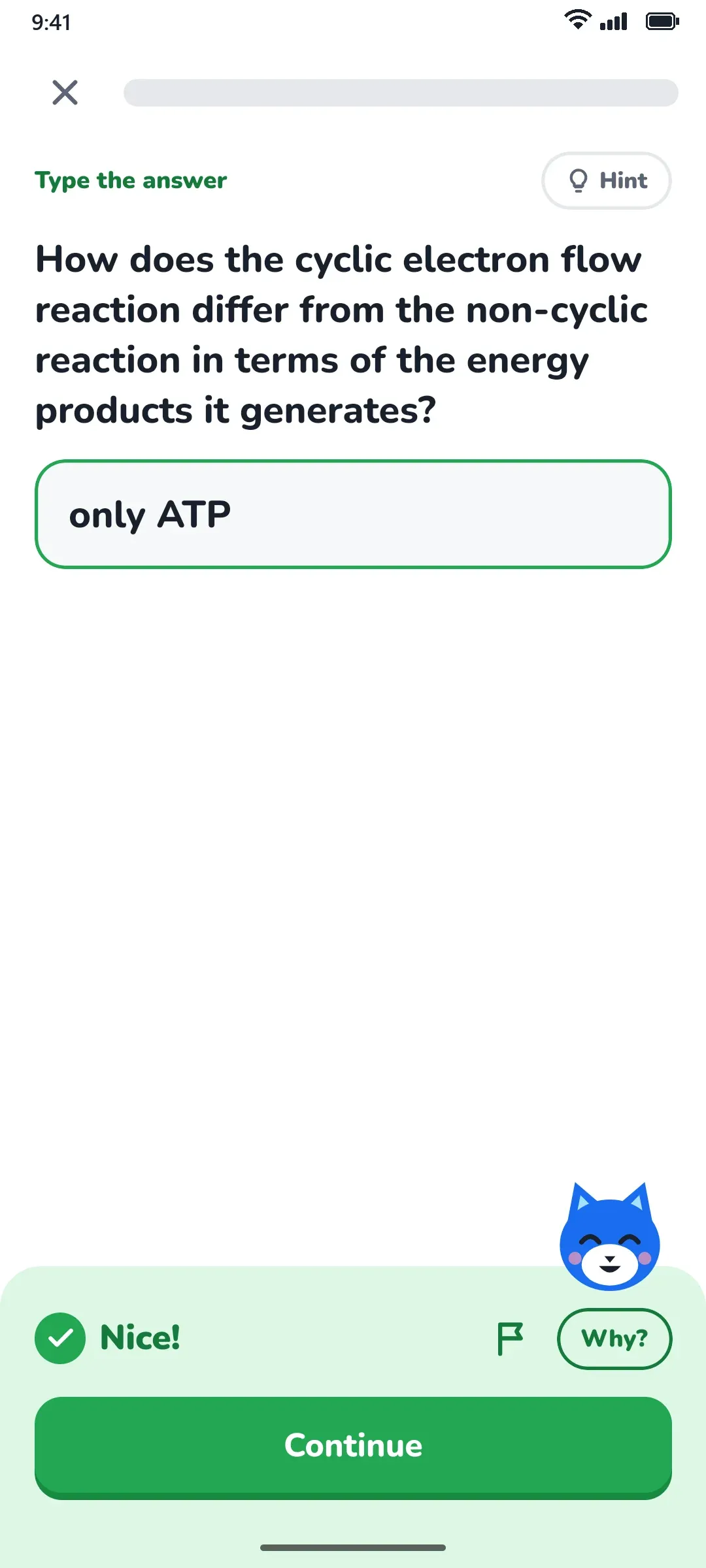
So every Remi session ends with questions, not a summary. And they aren’t all multiple choice: typing an answer, working out a number or writing a bit of code asks more of your memory, which is exactly the point.
2. Spaced beats crammed
The other half is timing. Reviews spread out over days and weeks lead to far better long-term memory than the same amount of time spent in one sitting. A large review of the research by Nicholas Cepeda and colleagues, also in 2006, pulled together hundreds of experiments that point the same way.
The tricky part is knowing when to review. Too soon and you waste time on things you still know; too late and you’ve forgotten and have to start over. The sweet spot is right before you’d forget.
Remi uses FSRS (the Free Spaced Repetition Scheduler), an open-source algorithm trained on a very large set of real flashcard reviews, to estimate that moment for every card you have. Cards you know well come back less and less often; cards you struggle with come back sooner.
3. Mistakes are teachers
There’s one more ingredient. Feedback right after an answer, especially a wrong one, is what turns a guess into knowledge. Andrew Butler and Henry Roediger showed in 2008 that feedback after a test boosts what people retain and helps correct errors that would otherwise linger.
That’s why Remi shows you the right answer when you miss, offers a short Why? explanation, and brings the question back at the end of the session so you can get it right.
Putting it together
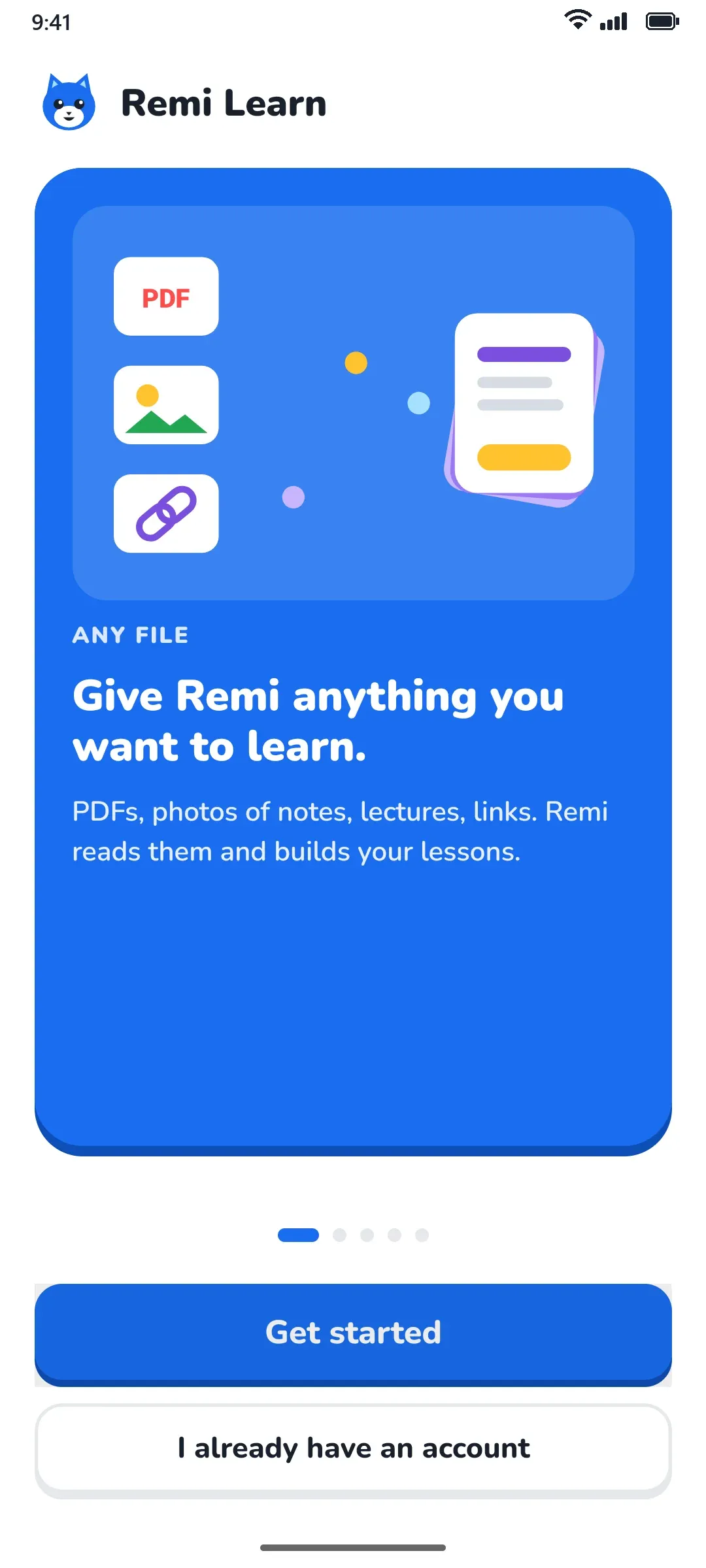
None of this is new. What’s new is not having to do the busywork yourself. You bring the material; Remi reads it, writes the questions and flashcards, and times every review, so the few minutes you spend each day go into the kind of studying that actually works.
Further reading
- Roediger, H. L., & Karpicke, J. D. (2006). Test-enhanced learning: Taking memory tests improves long-term retention. Psychological Science, 17(3), 249–255. doi:10.1111/j.1467-9280.2006.01693.x
- Cepeda, N. J., Pashler, H., Vul, E., Wixted, J. T., & Rohrer, D. (2006). Distributed practice in verbal recall tasks: A review and quantitative synthesis. Psychological Bulletin, 132(3), 354–380. doi:10.1037/0033-2909.132.3.354
- Butler, A. C., & Roediger, H. L. (2008). Feedback enhances the positive effects and reduces the negative effects of multiple-choice testing. Memory & Cognition, 36(3), 604–616. doi:10.3758/MC.36.3.604
- FSRS on GitHub