Seven worlds, one trail
Every note you study in Remi becomes a journey through a painted world. Here’s how the trail works, from the first step to the midterm.
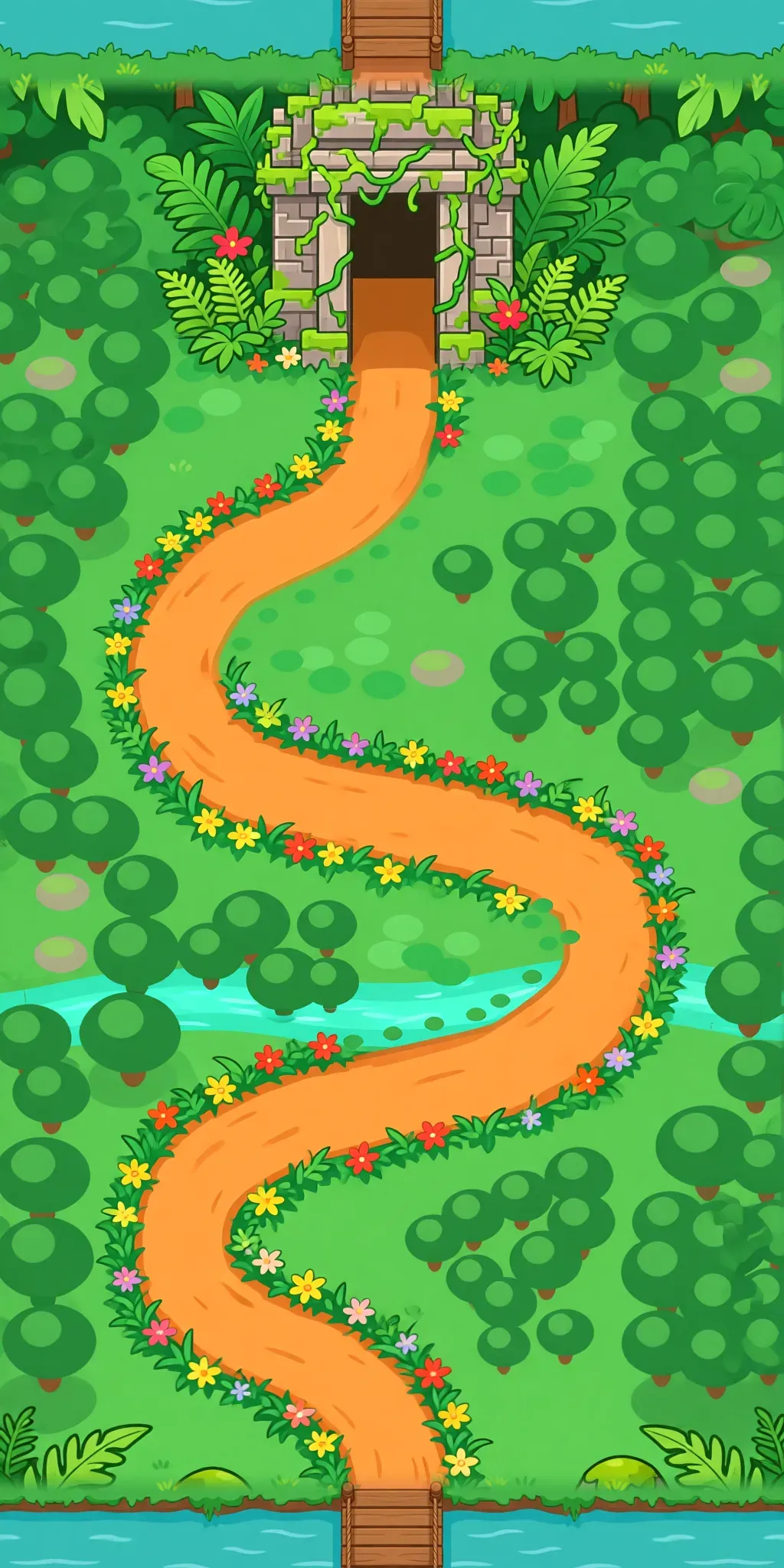
Studying a long document can feel like staring at a wall. So in Remi, every note becomes a trail you walk, one study session at a time.
A world for every subject
When you add a note, Remi picks a world that suits the subject. There are seven of them:
- Green meadow: rolling hills and forests, for anything.
- Wild jungle: biology, ecology and medicine.
- Outer space: physics, astronomy, chemistry and engineering.
- Ancient ruins: history, law, politics and philosophy.
- Storybook woods: literature, languages and the arts.
- Crystal caves: mathematics, statistics, logic and economics.
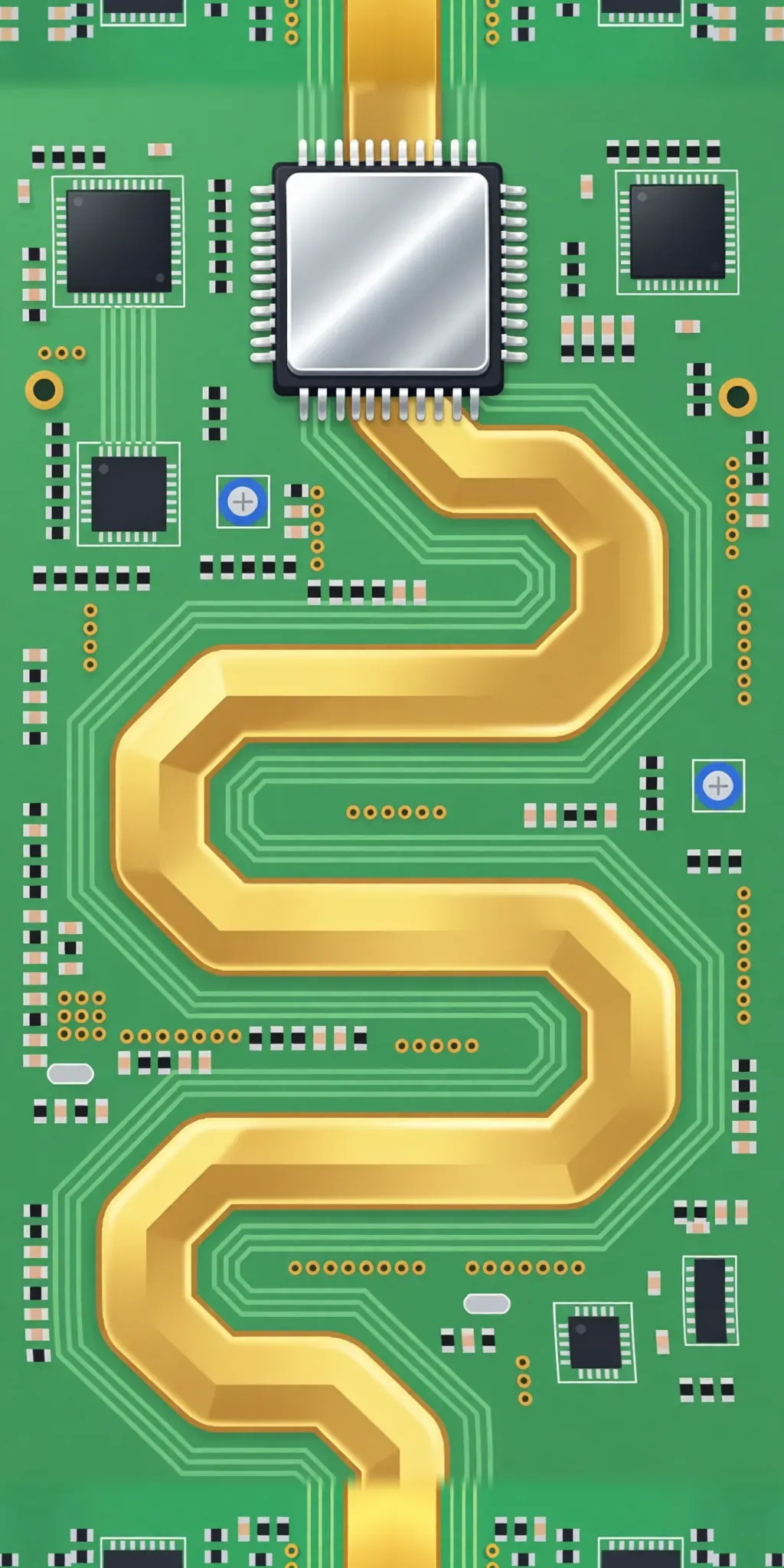
- Inside the computer: computer science, programming and data.
Don’t like Remi’s pick? Open the note’s page and choose another world. You can change it any time.
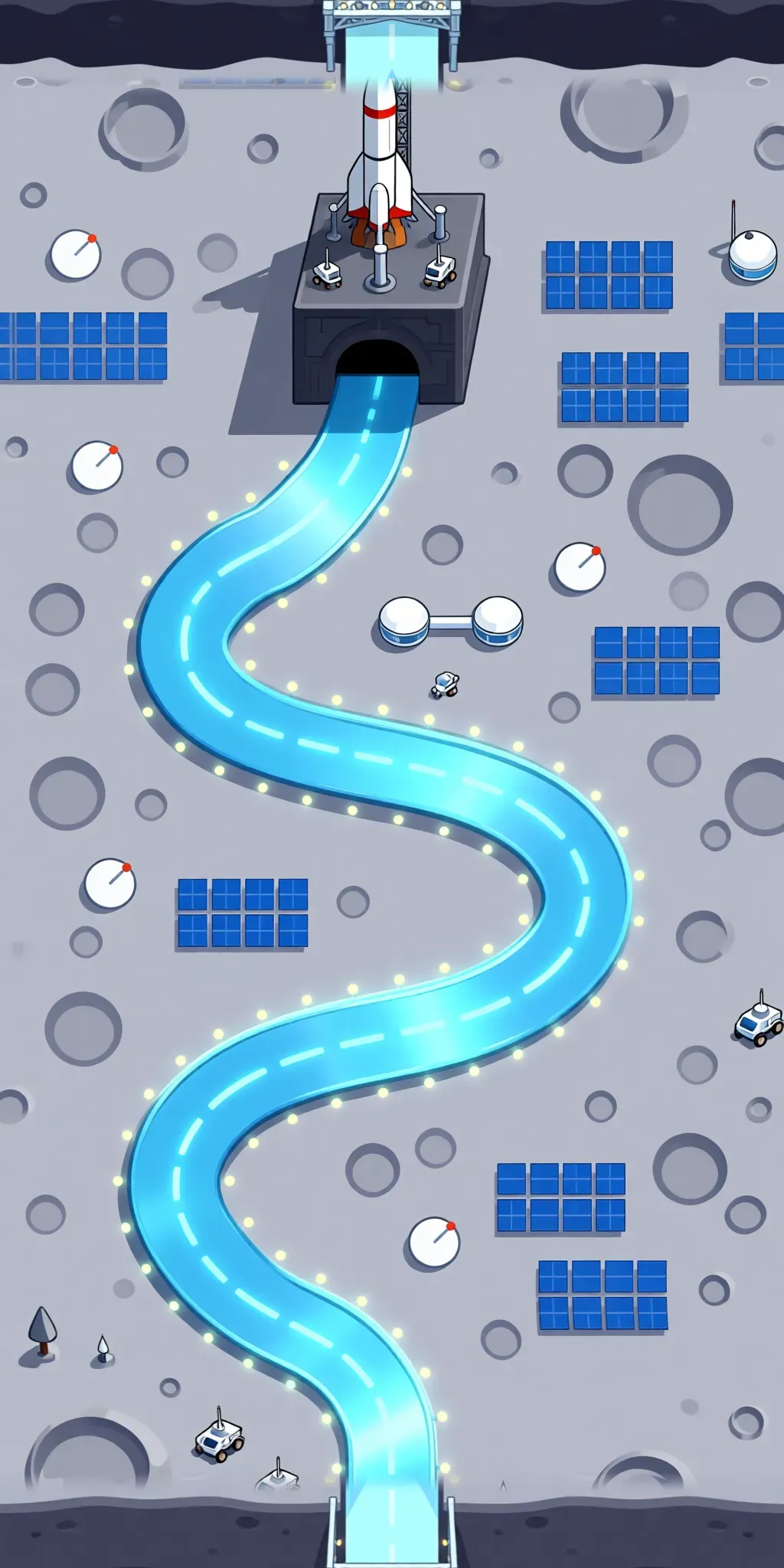
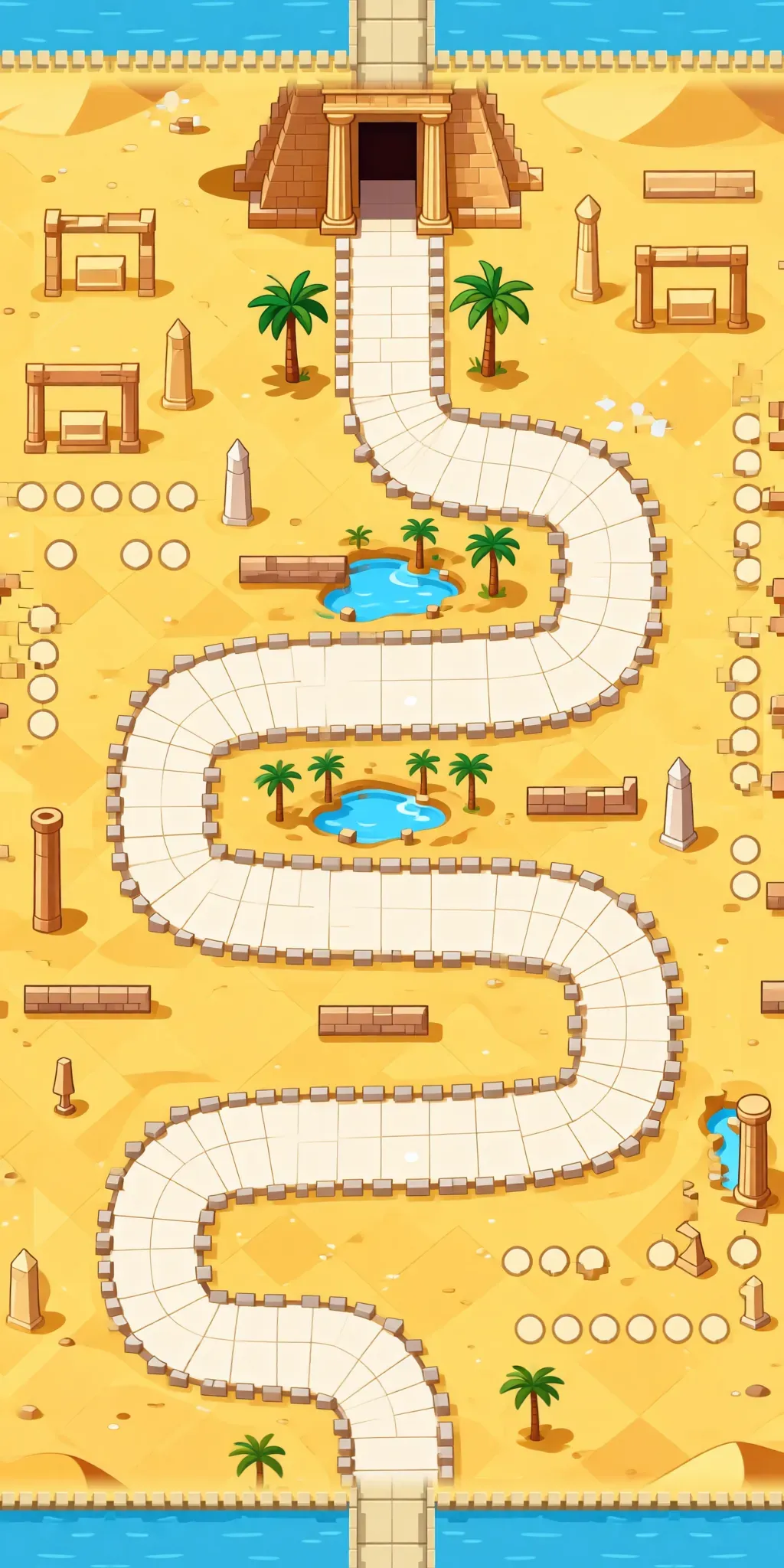
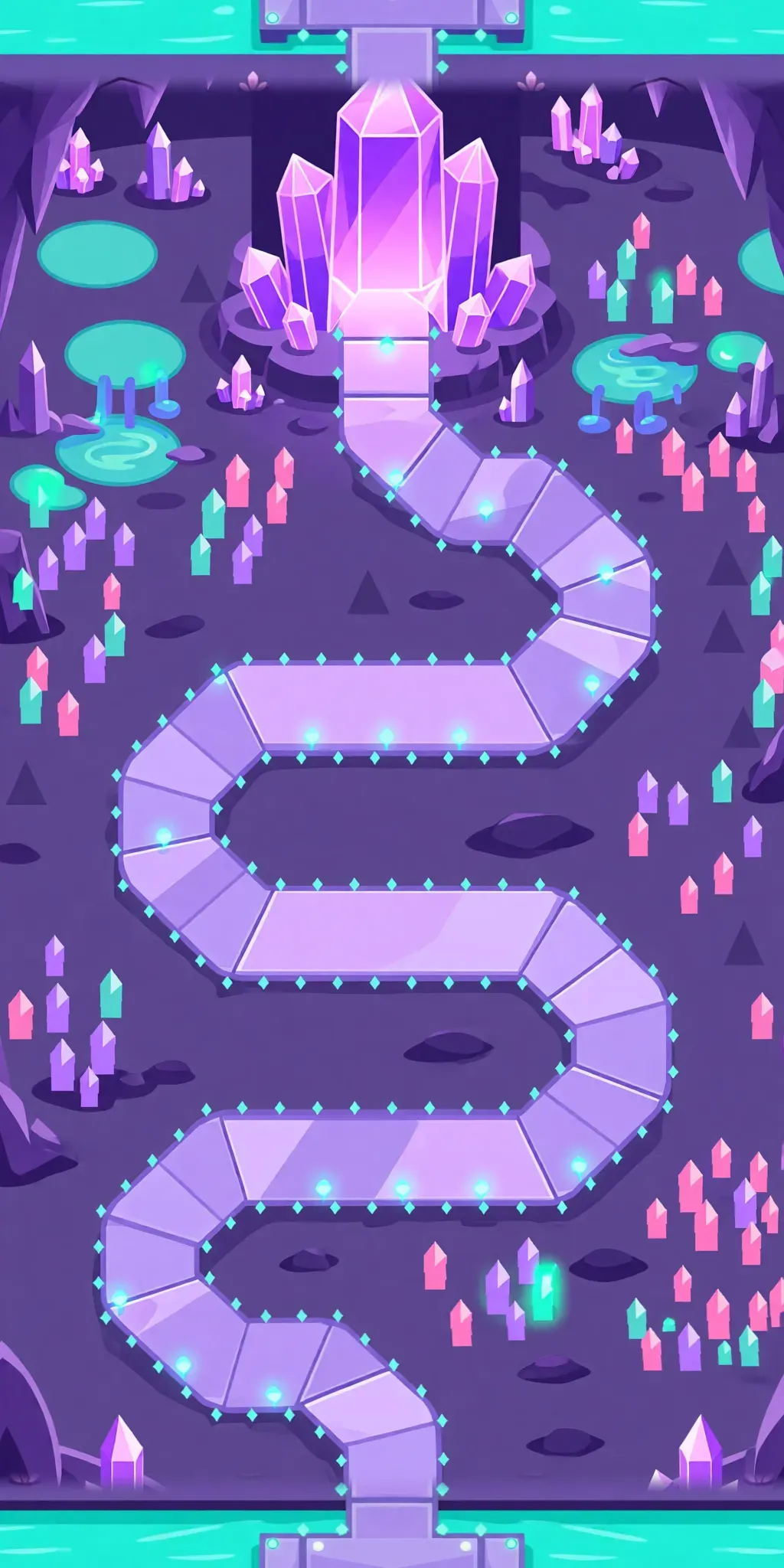
How the trail works
Your note is split into parts of about a page or a minute each, and the trail is laid out to match. Each study session moves Remi further along it.
- Chests sit along the way. Reach one and it’s yours to open.
- Checkpoints mark the parts you’ve studied. Review the flashcards from those parts to secure them, so what you learned stays learned.
- Midterms guard the gates on longer trails. Each one tests the stretch of the note you just finished, so it holds together, not just piece by piece.
- The final waits at the finish. After that, the note is done and your reviews keep it fresh.
Why a map?
Because progress you can see is progress you keep making. A trail turns “I still have 40 pages to go” into “I’m past the bridge and the next chest is right there”. And when you open the app tomorrow, the map shows you exactly where you left off.
The worlds stay in daylight, even in dark mode, so the trail is always easy to read.
See everything Remi does, or join the launch list to be first on the trail.